Teams that look fine on the surface are often fraying underneath.
People are stretched, running hard, and wondering why performance is waning and health is suffering. With psychosocial safety now a legal duty for Australian employers, the cost of waiting has never been higher.
What it is
The Adaptive Advantage is a science-based flagship program that moves a person, or a whole team, along one pathway from overwhelmed to adaptive.
It is built on The Science of Adapting, the ecological truth that it is not the strongest who thrive but the most adaptive, translated into practical neuroscience. It works at the individual and the organisational level at once, because you cannot build a healthy team from depleted people.
What changes
From overwhelmed to adaptive.
Disorganised, too many tabs open→becomes →Clear, and able to prioritise
Stressed, running on empty→becomes →Steady, recovered, energised
Reactive and stuck→becomes →Reflective, able to choose the response
Disengaged, quietly cracking→becomes →Engaged, with momentum
Just coping→becomes →Genuinely thriving
The pathway
Five steps, one direction.
01
Shed
See and let go of what you have outgrown.
02
Steady
Settle the nervous system, and recover on purpose.
03
Shift
Change the thinking under pressure.
04
Build
Strengthen identity, and the habits that hold it.
05
Thrive
Make it last, and let it compound.
Two ways to work
For the leader, and for the team.
The Executive pathway
Who it is for
Senior leaders carrying the load, including those who invest in their team’s wellbeing and do not model their own.
What is included
An opening conversation to map where you are and what needs to shift.
Six private sessions of 60 to 75 minutes, fortnightly across roughly twelve weeks, moving through the five steps and integration.
Practice and support between sessions, so change happens in your week.
Your own materials and a personal plan to sustain it.
The option to continue with the monthly partnership when the program ends.
Investment. Scoped to each engagement. Book a call to discuss.
A rigid identity, in a person or an organisation, is a genuine risk to health and to performance. The people and organisations who thrive through change are not the ones who predict it perfectly. They are the ones who stay steady, think clearly, and adapt on purpose. That capacity can be built.
$67,400
the median cost of a psychological injury claim in Australia
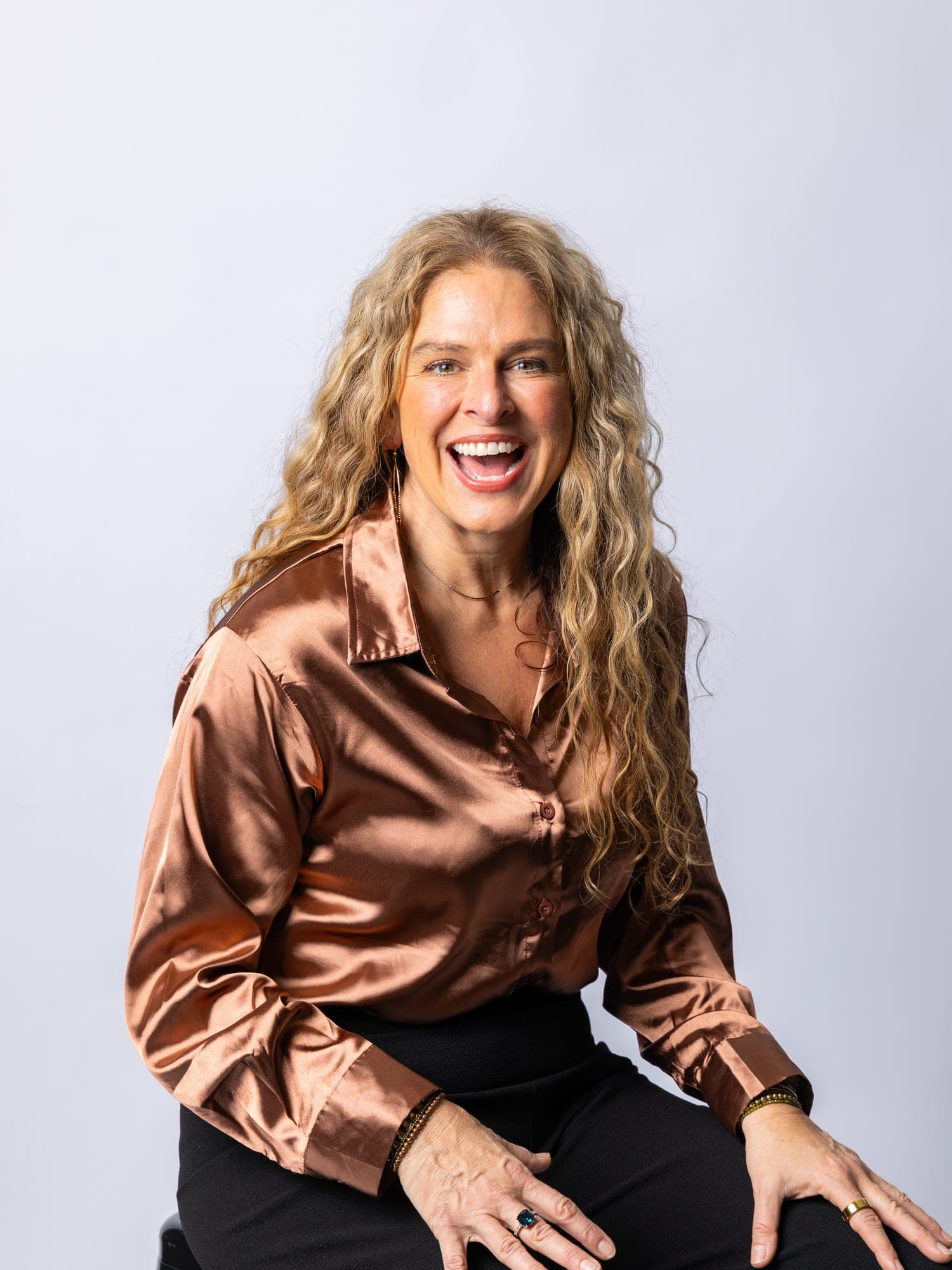
Dr Rebecca Chabot, PhD, is a PhD ecologist who applies neuroscience to human performance, and the creator of The Science of Adapting. A 2026 TEDxHobart speaker and regular voice on ABC Radio Tasmania, she has worked with organisations including RACT, CPA Australia, the Law Society of Tasmania, Cancer Council Tasmania, the Mental Health Council of Tasmania and the University of Tasmania.
“I have heard a lot of speakers in my time, but Dr Rebecca Chabot stopped me in my tracks. She did not just talk about the neuroscience of resilience, she described the exact path I walked, in language I wished I had had at the time. If you want your people to understand what it takes to perform sustainably, she is the one to book.”
Alastair Lynch AM, AFL Legend
The self-assessment
What shell is your organisation ready to shed?
Not sure where your team sits? Take the free self-assessment. Ten minutes, and you will see where to start.
In nature, it is not the strongest who thrive, but the most adaptive. The same is true for organisations. Read each statement as it applies to your team or organisation right now, and score it from 1 (rarely true) to 5 (consistently true).
Three quick choices. They stay anonymous, and they help Rebecca see how different organisations are tracking.
Your result appears straight away, no email needed. Your answers are saved anonymously, with no name or contact details, so Rebecca can see how organisations are tracking. Privacy